Pancreatic Cancer Risk Assessment Pilot
Why are GP Practices checking people for possible signs?
As part of an NHS England initiative to improve early diagnosis and support the health of our community, our PCN is taking part in a project to help identify people who may benefit from a pancreatic cancer risk assessment.
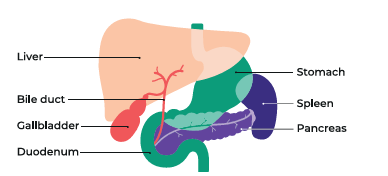
Most people with diabetes will not get pancreatic cancer. But in a very small number of people, a recent diagnosis of diabetes can be a symptom of pancreatic cancer. Diabetes is a condition where the amount of sugar in the blood is too high. Blood sugar levels are controlled by a hormone called insulin. The pancreas is a gland that produces insulin. If pancreatic cancer develops it can stop the pancreas producing enough insulin, which can cause diabetes.
Your GP practice is identifying people to check for pancreatic cancer. These are people who have who have had a recent diagnosis of diabetes and have lost weight without trying to. Most people with these symptoms will not have pancreatic cancer. But if you do, catching it early will make treatment more likely to be successful.
This is different to the NHS Health Check. Even if you have recently had an NHS Health Check, you should think about having this check done too.
What does the check involve?
Initial assessment
You will have your records reviewed by a GP, because you are over 60 years old and have recently been diagnosed with diabetes. Or because blood tests showed you have had a raised HbA1c level (raised blood sugar level). You might have received a text or telephone call from your GP practice asking some questions about your weight. Your GP practice is checking whether you have lost weight without meaning to. The results of this will help decide if you need a CT scan or blood tests.
CT scan and blood tests
If you have lost weight without meaning to, you will be invited to have a CT scan of your pancreas. CT scans use a low dose of radiation and a computer to take a detailed picture of your pancreas. Speak to your GP practice if you would like more information about the CT scan. Your GP might also do a blood test. This will check your blood cell levels (blood count), how well your liver and kidneys are working, and your general health.
Getting the results
How will I receive my results?
• If your scan shows something unusual, the hospital will arrange an appointment to discuss the results and what happens next.
• If your scan is normal, your GP will receive the results and may contact you, or you may receive a letter in the post.
When you go for the scan, ask your doctor or nurse how long it will take to get the results. You can also ask who to contact if you don’t hear anything.
What are the possible results?
There are four possible results.
1. No problems found= Your scan shows no signs of pancreatic cancer or other problems. You will receive a letter from the hospital or your GP with the results.
It is still possible that pancreatic cancer could develop in the future. You should tell your doctor if you notice anything that is not normal or have any other symptoms.
2. Further tests needed= Your scan shows something that needs to be investigated further. This does not mean that you have cancer. The hospital will contact you to book an appointment for the additional tests.
3. Cancer found= Your scan has found cancer. You might need more tests to show where the cancer is, what size it is and the best treatment. The hospital will contact you to discuss the next steps.
4. Another problem found= There is no sign of pancreatic cancer, but the tests have found something else that may need treatment or medical advice. You will be referred to specialists for more tests or treatment. You will receive a letter from the hospital or your GP with the results.
Why is it important to diagnose cancer early?
If pancreatic cancer is diagnosed at an early stage before the cancer has had time to develop, there are normally more treatment options available.
We encourage all patients to let us know if they notice anything unusual for them, or if they develop new symptoms. If you’re ever unsure, we are here to help and support you.